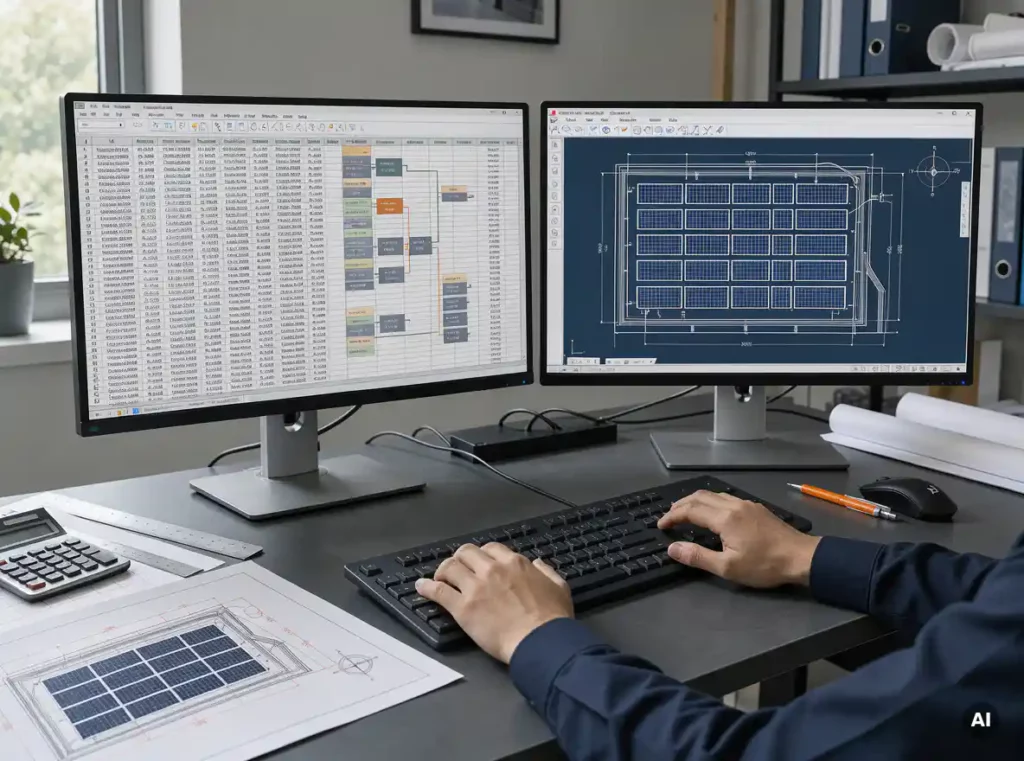
Should you use Excel or CAD for solar panel layout design?
Excel handles the math but not geometry. Find out when CAD wins for solar panel layout design.
Should you use Excel or CAD for solar panel layout design? Read More »


Excel handles the math but not geometry. Find out when CAD wins for solar panel layout design.
Should you use Excel or CAD for solar panel layout design? Read More »

Master solar string wiring diagrams: labeling, MPPT mapping, and CAD automation explained for engineers.
How do you show string configuration in a wiring diagram? Read More »
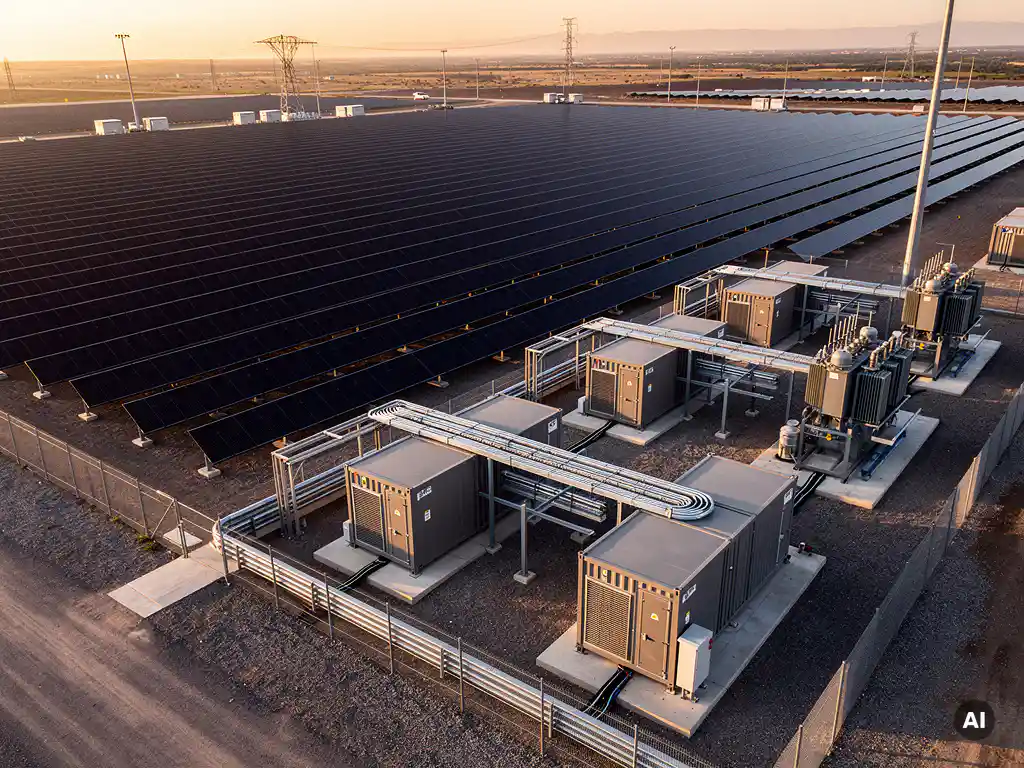
Hybrid BESS integrates solar and storage in one architecture — discover how it works, its components, and key limitations.
What is a hybrid BESS? Read More »
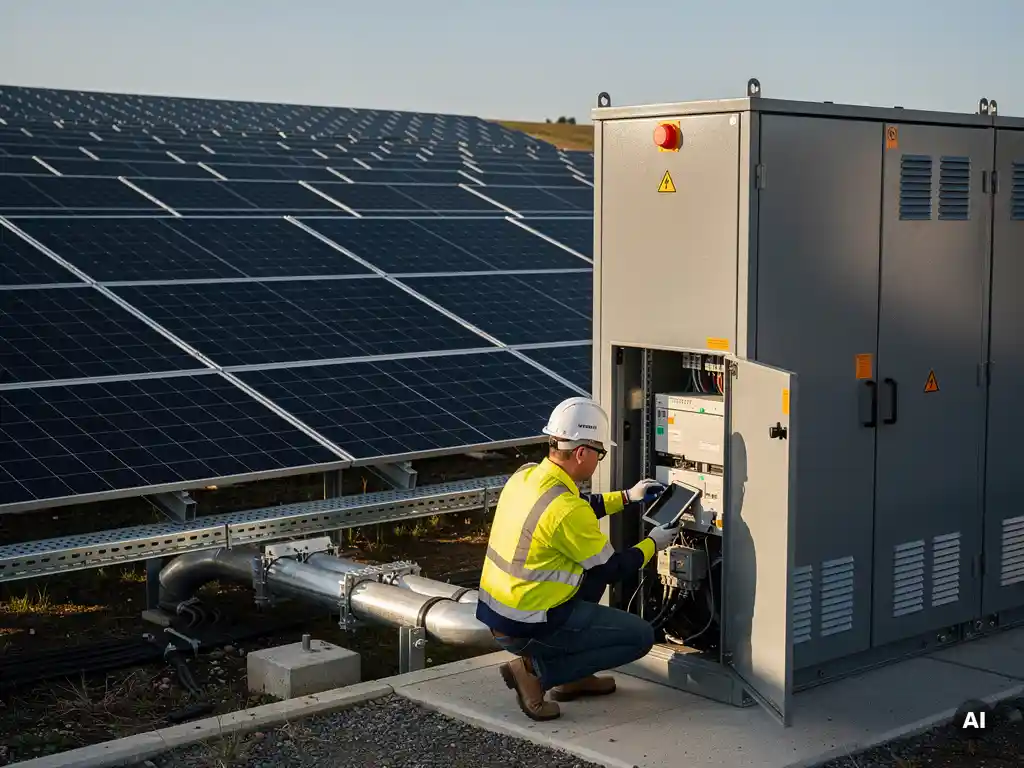
Master BESS DC/AC ratio calculations for co-located PV systems, with recommended design ranges and real-world inverter sizing guidance.
How do you calculate the DC/AC ratio for a BESS? Read More »
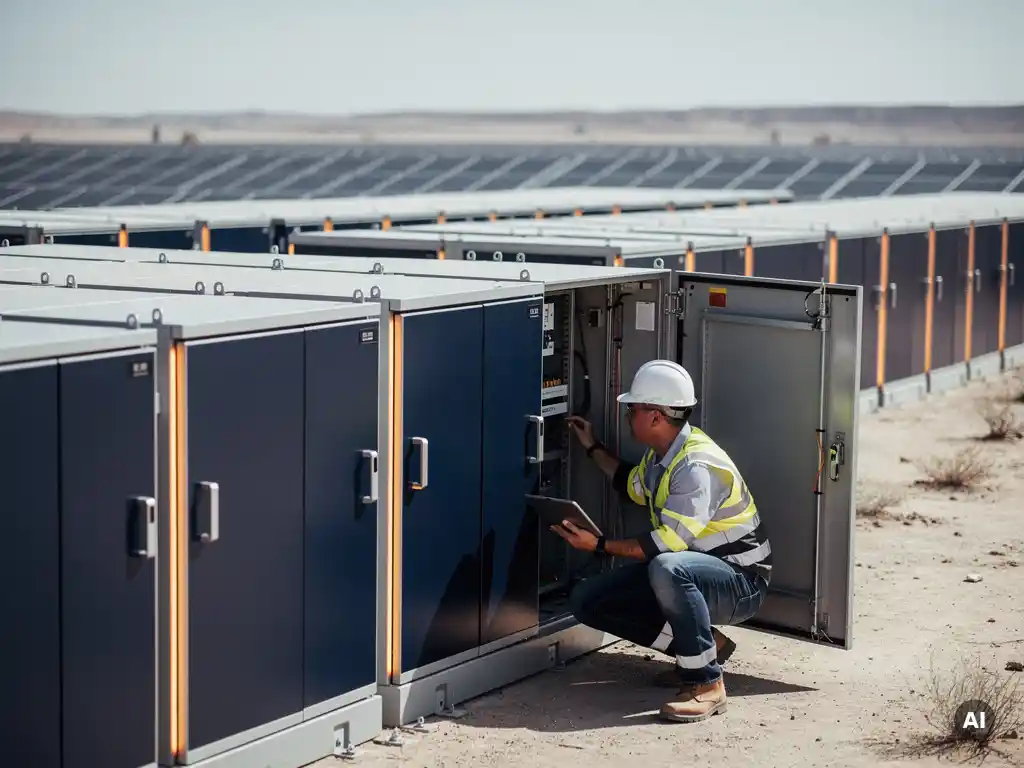
Learn the exact BESS sizing formula for peak shaving—before costly undersizing leaves demand charges on the table.
How do you calculate BESS capacity for peak shaving? Read More »
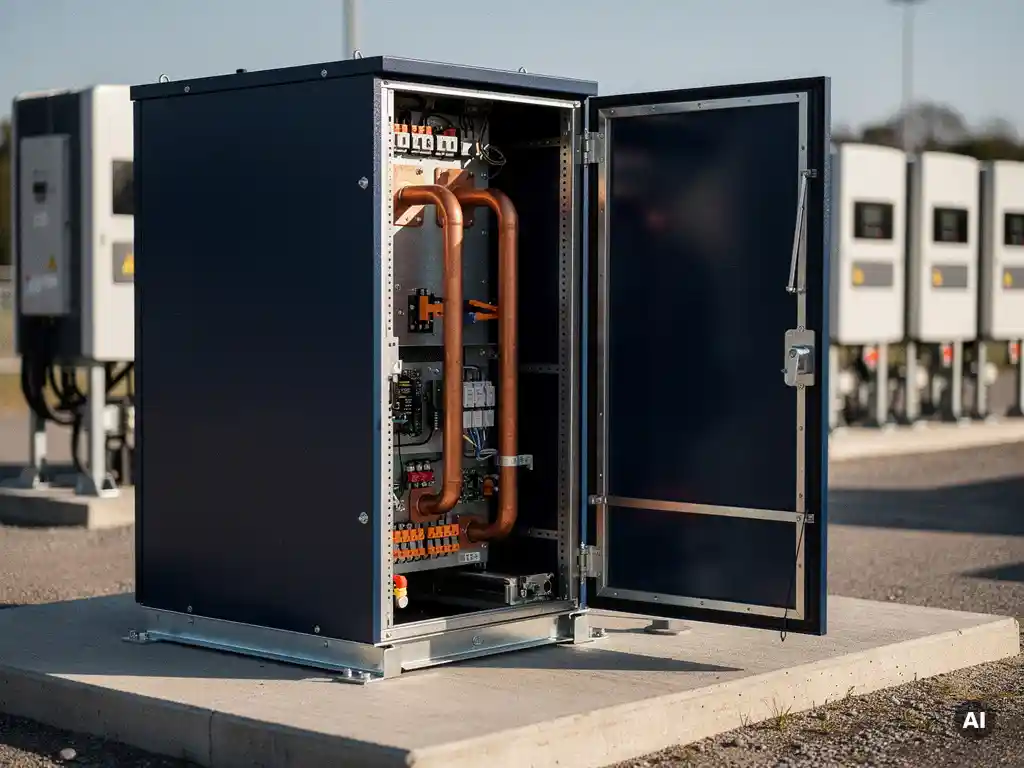
AC-coupled or DC-coupled BESS? Discover which solar storage architecture wins on efficiency, cost, and design flexibility.
What is the difference between AC-coupled and DC-coupled BESS? Read More »

Engineer a smarter utility-scale BESS — from sizing and chemistry to grid integration — with this comprehensive design guide.
How do you design a BESS for utility-scale projects? Read More »
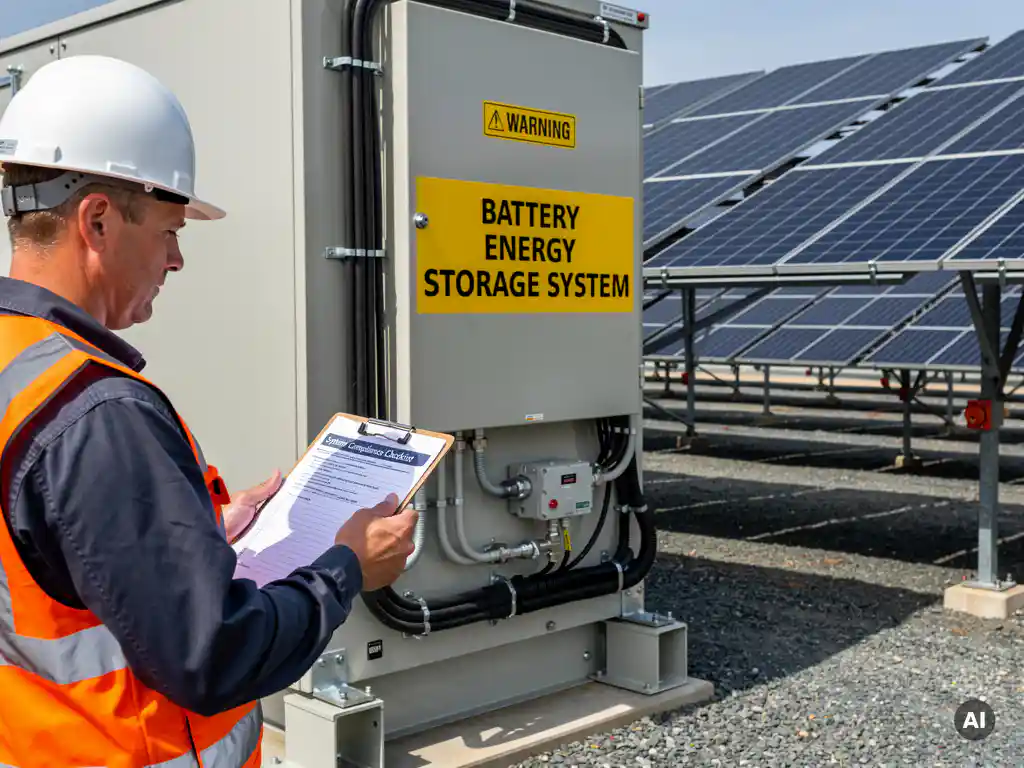
BESS safety standards like NFPA 855 and UL 9540 vary by location — here’s what solar-plus-storage projects must meet.
What safety standards apply to BESS installations? Read More »
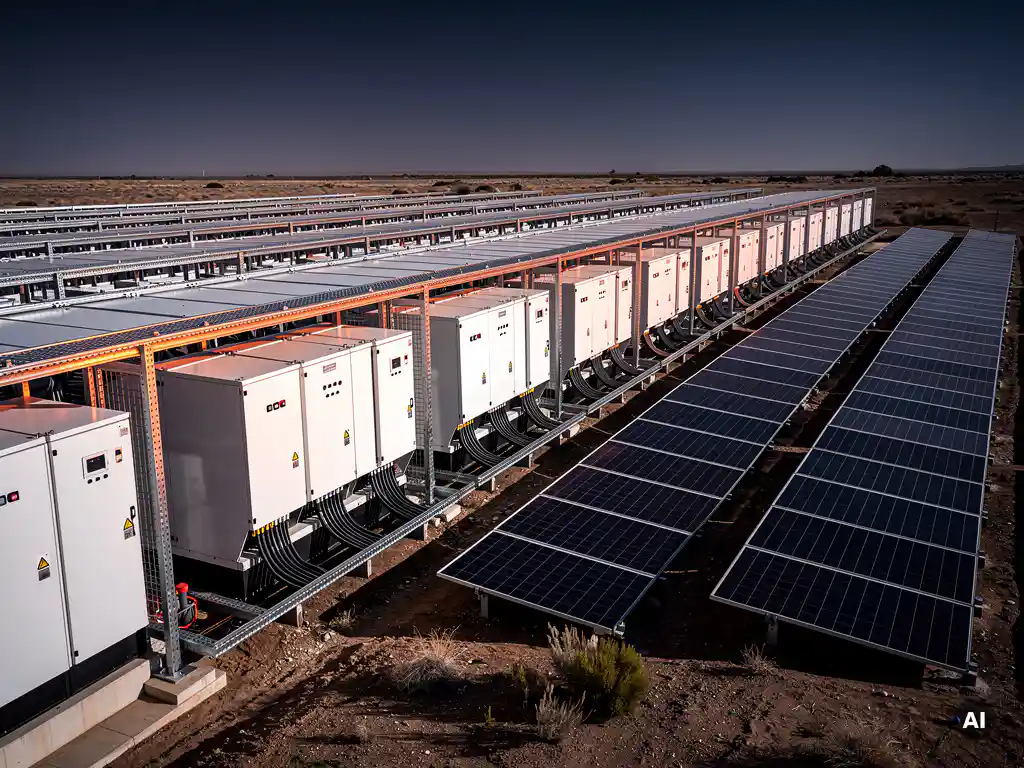
Discover how AC/DC-coupled BESS architectures, hybrid inverters, and smart sizing unlock solar storage potential.
How is a BESS integrated into a solar PV system? Read More »
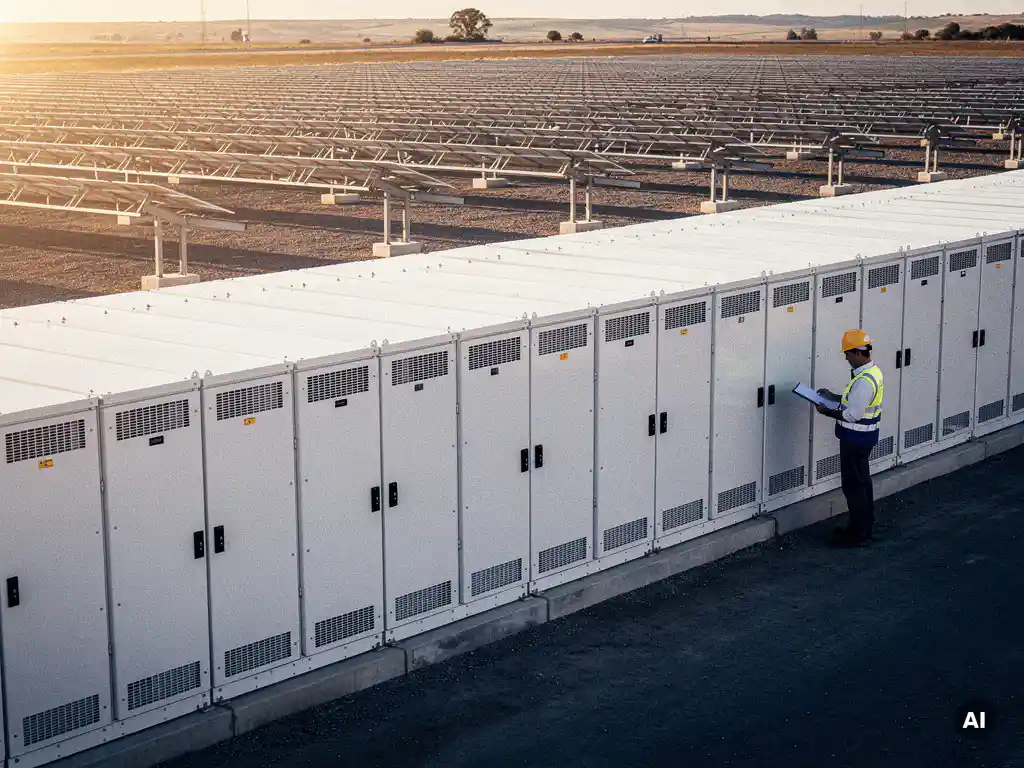
Most BESS units last 10–20 years — but chemistry, temperature, and depth of discharge determine where yours lands.
What is the lifespan of a BESS? Read More »