
How do you show string configuration in a wiring diagram?
Master solar string wiring diagrams: labeling, MPPT mapping, and CAD automation explained for engineers.
How do you show string configuration in a wiring diagram? Read More »

Master solar string wiring diagrams: labeling, MPPT mapping, and CAD automation explained for engineers.
How do you show string configuration in a wiring diagram? Read More »
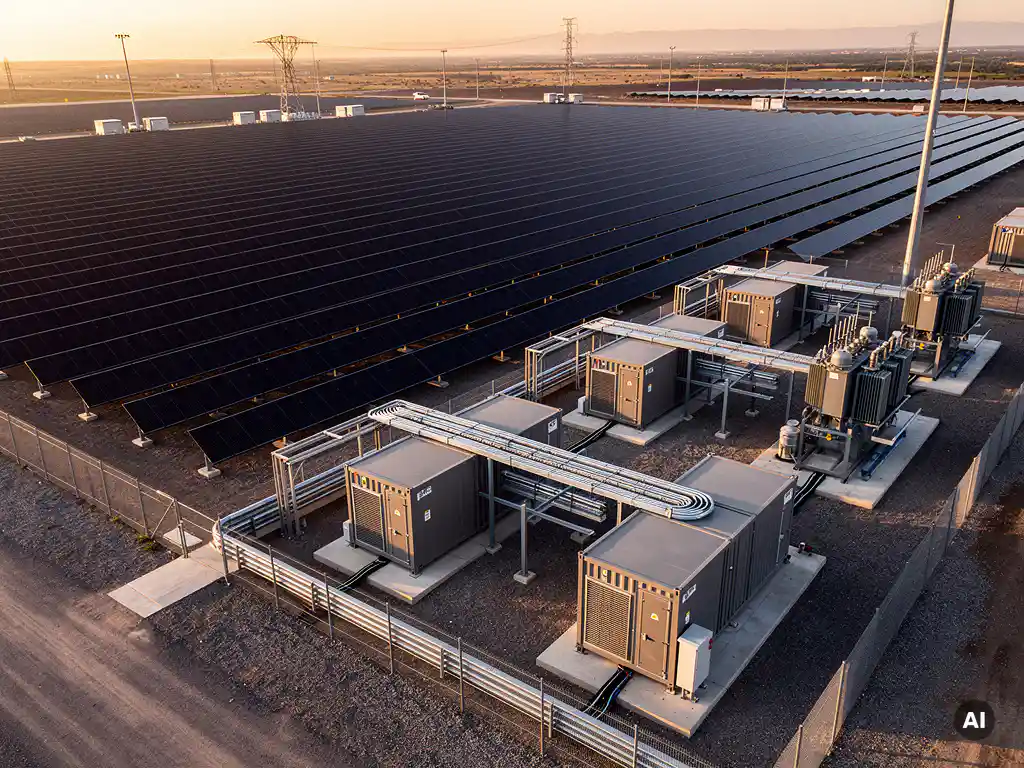
Hybrid BESS integrates solar and storage in one architecture — discover how it works, its components, and key limitations.
What is a hybrid BESS? Read More »
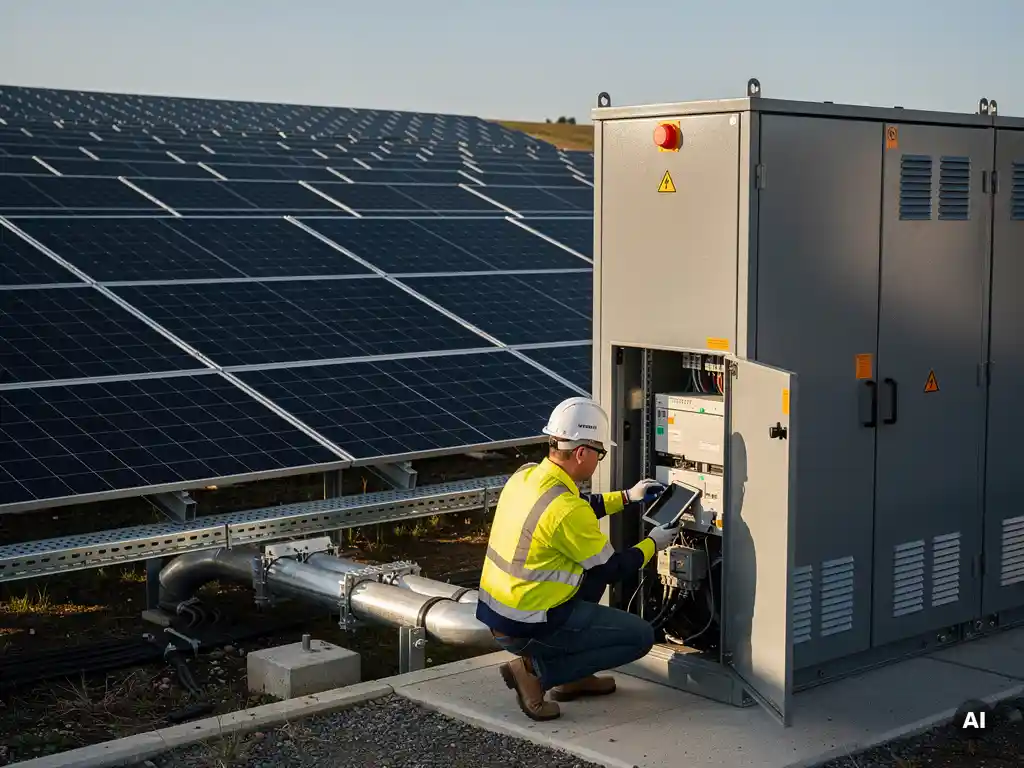
Master BESS DC/AC ratio calculations for co-located PV systems, with recommended design ranges and real-world inverter sizing guidance.
How do you calculate the DC/AC ratio for a BESS? Read More »
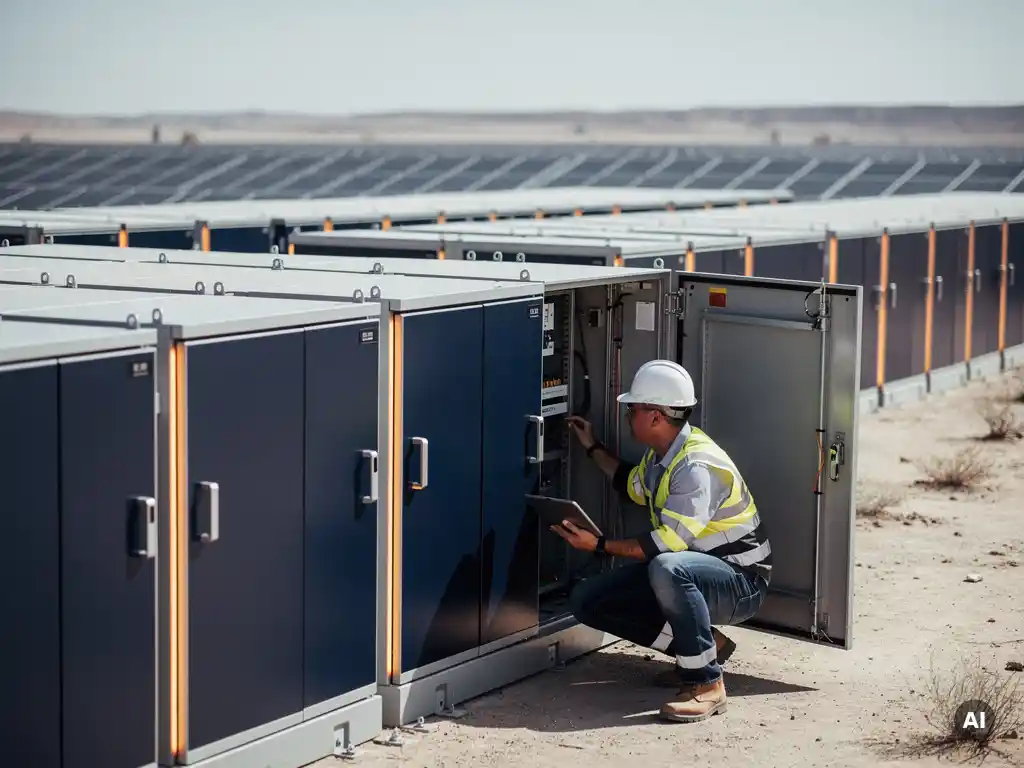
Learn the exact BESS sizing formula for peak shaving—before costly undersizing leaves demand charges on the table.
How do you calculate BESS capacity for peak shaving? Read More »
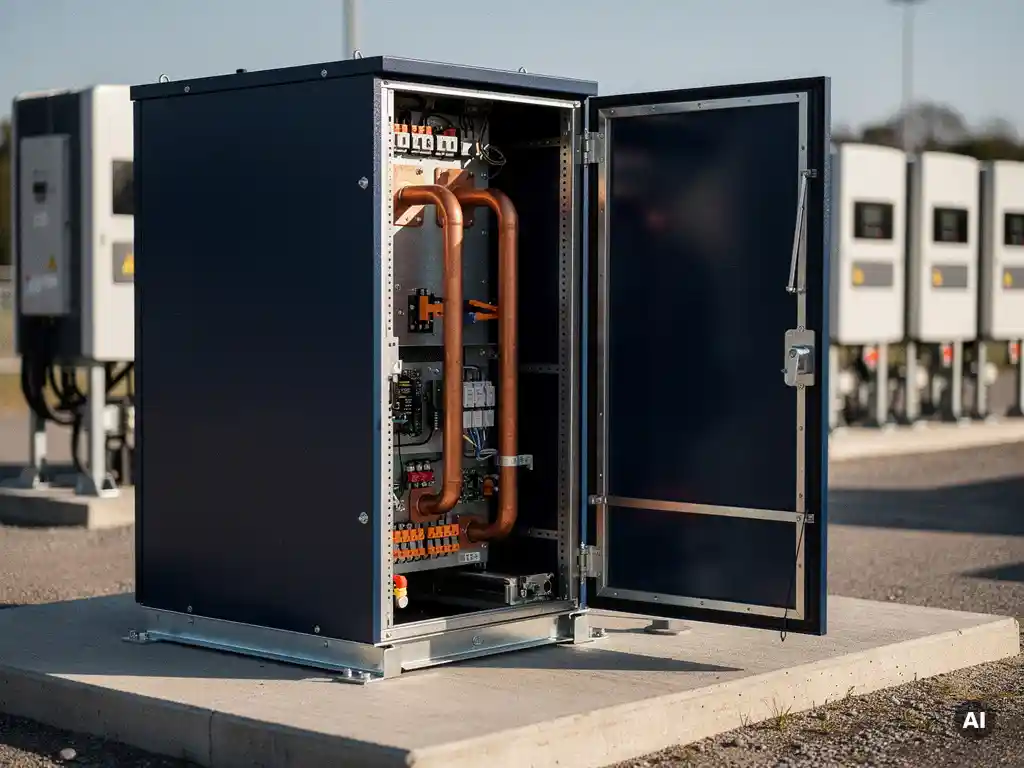
AC-coupled or DC-coupled BESS? Discover which solar storage architecture wins on efficiency, cost, and design flexibility.
What is the difference between AC-coupled and DC-coupled BESS? Read More »
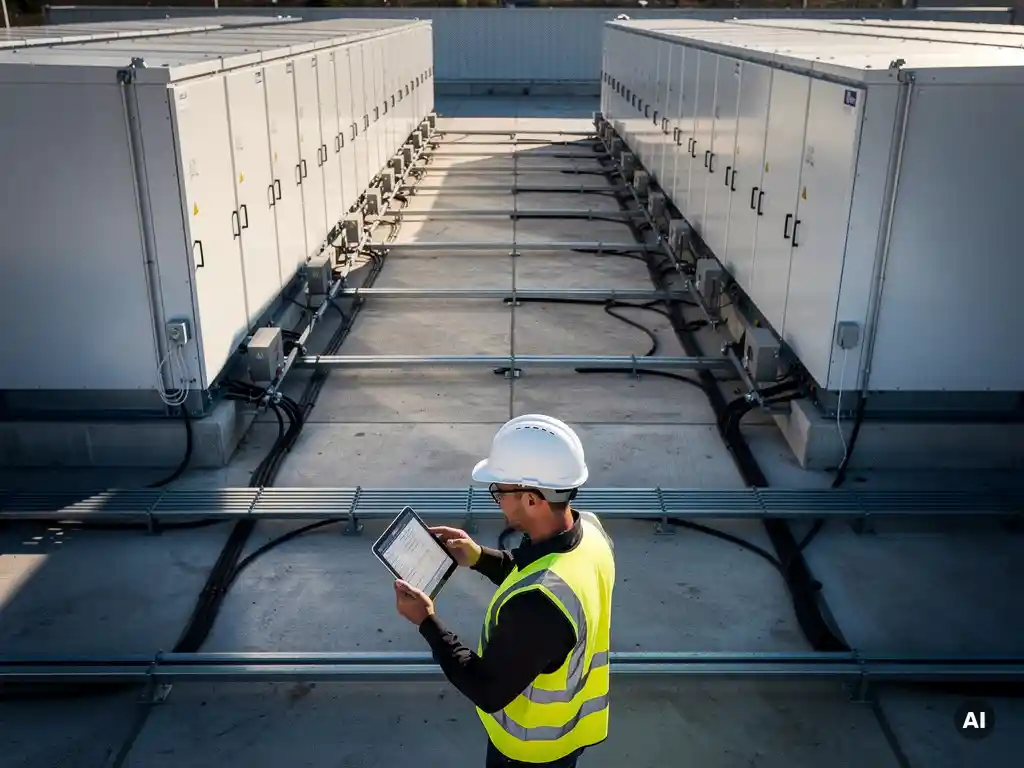
Engineer a smarter utility-scale BESS — from sizing and chemistry to grid integration — with this comprehensive design guide.
How do you design a BESS for utility-scale projects? Read More »
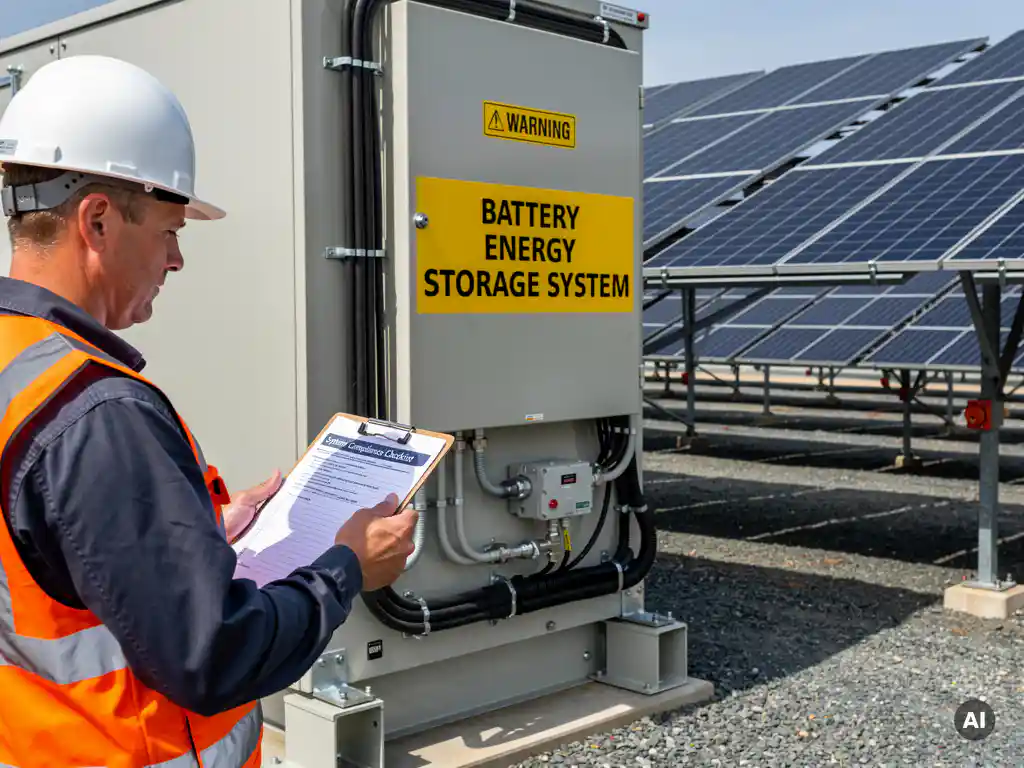
BESS safety standards like NFPA 855 and UL 9540 vary by location — here’s what solar-plus-storage projects must meet.
What safety standards apply to BESS installations? Read More »
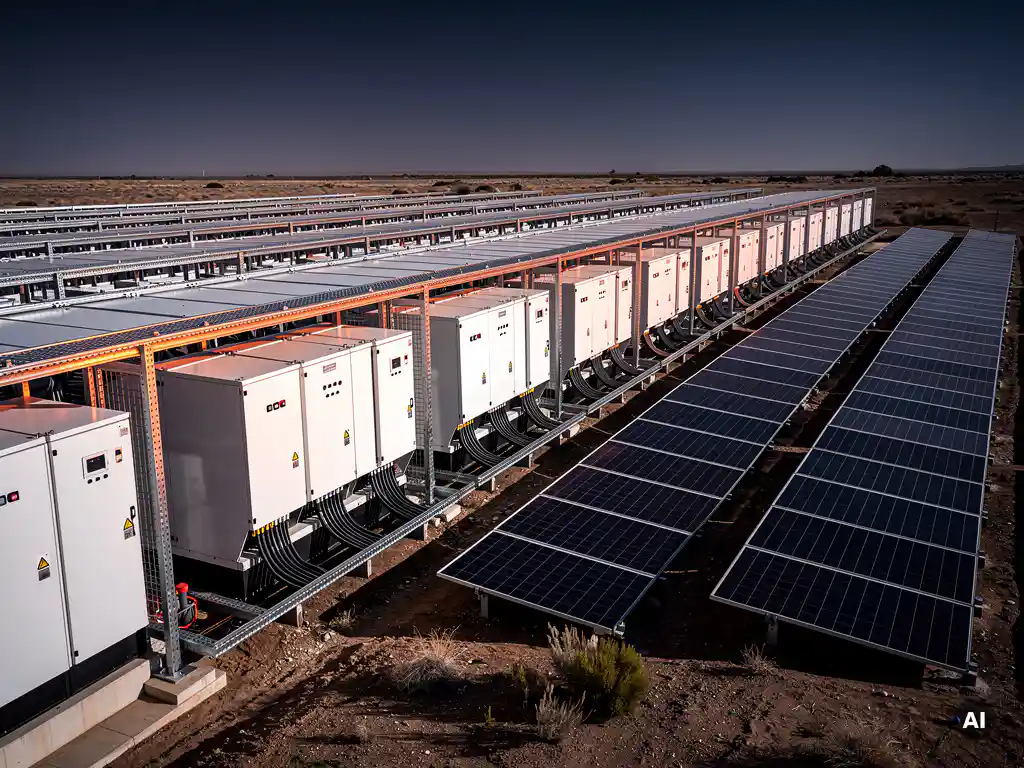
Discover how AC/DC-coupled BESS architectures, hybrid inverters, and smart sizing unlock solar storage potential.
How is a BESS integrated into a solar PV system? Read More »
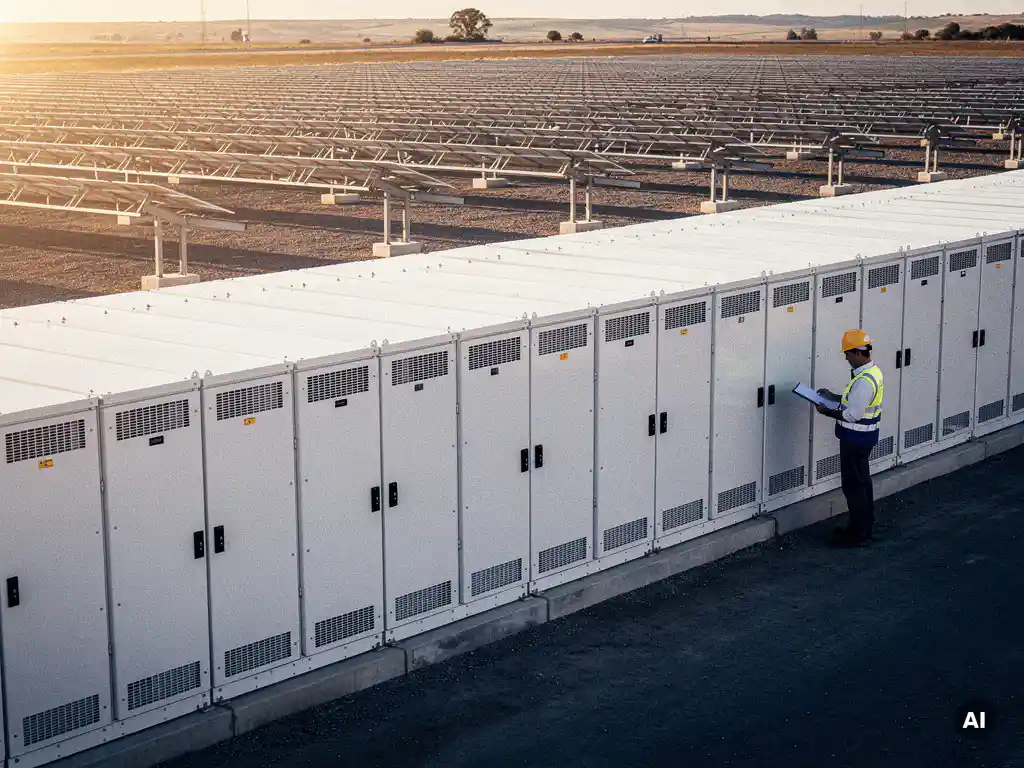
Most BESS units last 10–20 years — but chemistry, temperature, and depth of discharge determine where yours lands.
What is the lifespan of a BESS? Read More »
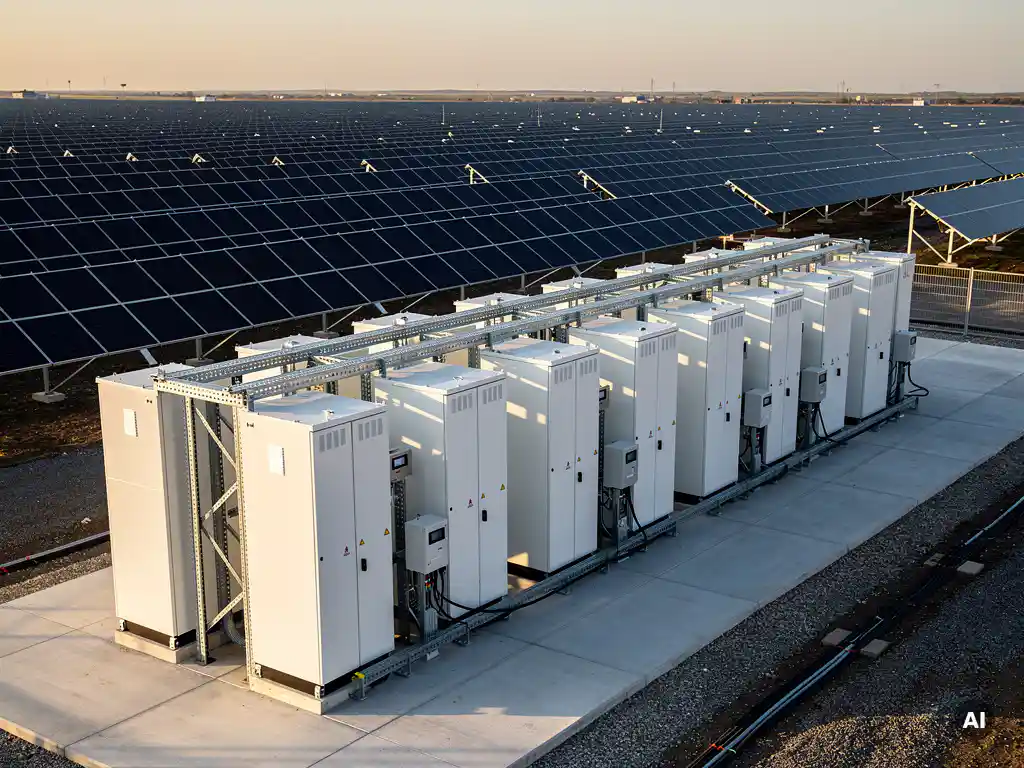
BESS costs $200–$350/kWh in 2025 — but hidden costs can add 60% more. Here’s what really drives the price.
How much does a BESS cost per kWh? Read More »